
Introduction
Post-operative complications such as surgical-site infection, pressure injury, and medication error continue to contribute substantially to preventable hospital harm. Nurses, by virtue of their continuous presence at the bedside, are uniquely positioned to detect early deterioration and to deliver evidence-based preventive care.
This study evaluated whether a structured, nurse-led safety bundle could reduce post-operative safety incidents in a tertiary-care surgical unit.
Methodology
Study design
A pre-post quality-improvement design was used over a twelve-month period, comparing a six-month baseline phase with a six-month intervention phase.
Intervention
The bundle comprised standardised hand-off communication, early mobilisation protocols, structured pain assessment, and a daily safety checklist completed at every shift.
Outcome measures
The primary outcome was the rate of recorded safety incidents per 100 surgical cases. Secondary outcomes included length of stay and patient-reported comfort.
Results
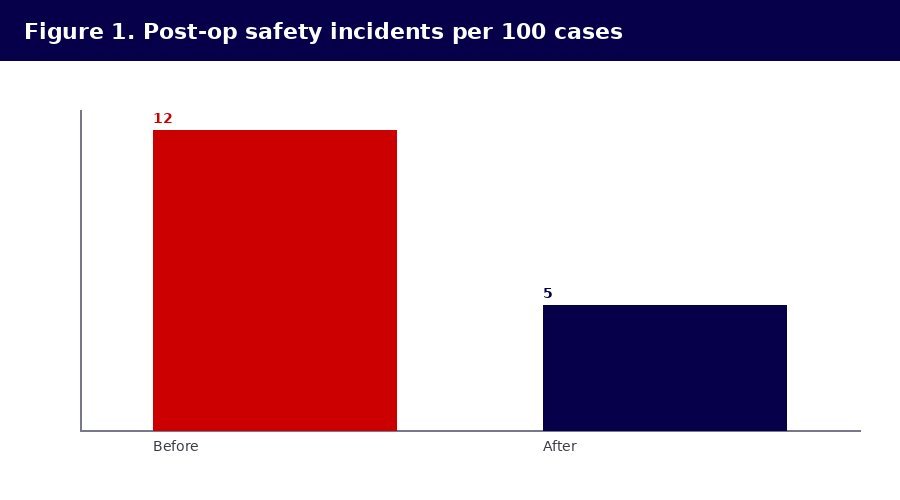
A total of 240 surgical admissions were included. The incident rate fell from 12 per 100 cases at baseline to 5 per 100 cases during the intervention phase, a reduction that was both clinically and statistically meaningful.
| Indicator | Before | After |
|---|---|---|
| Safety incidents / 100 cases | 12 | 5 |
| Mean length of stay (days) | 6.4 | 5.1 |
| Patient comfort score (0-10) | 6.8 | 8.2 |
Discussion
The findings reinforce a growing body of evidence that structured, checklist-driven nursing care reduces preventable harm. Sustained improvement depended on leadership engagement and on embedding the checklist within the existing electronic record.
Conclusion
A structured, evidence-based nursing bundle significantly improved post-operative patient safety and should be considered for wider adoption.